10 Things Nobody Tells Out-of-State Buyers About Florida Real Estate
Property taxes reset, insurance is its own conversation, CDD fees, flood zones, homestead filing, fast closings — ten things that consistently catch out-of-state buyers off guard in Sarasota and Manatee County, in plain English.
10 Things Nobody Tells Out-of-State Buyers About Florida Real Estate
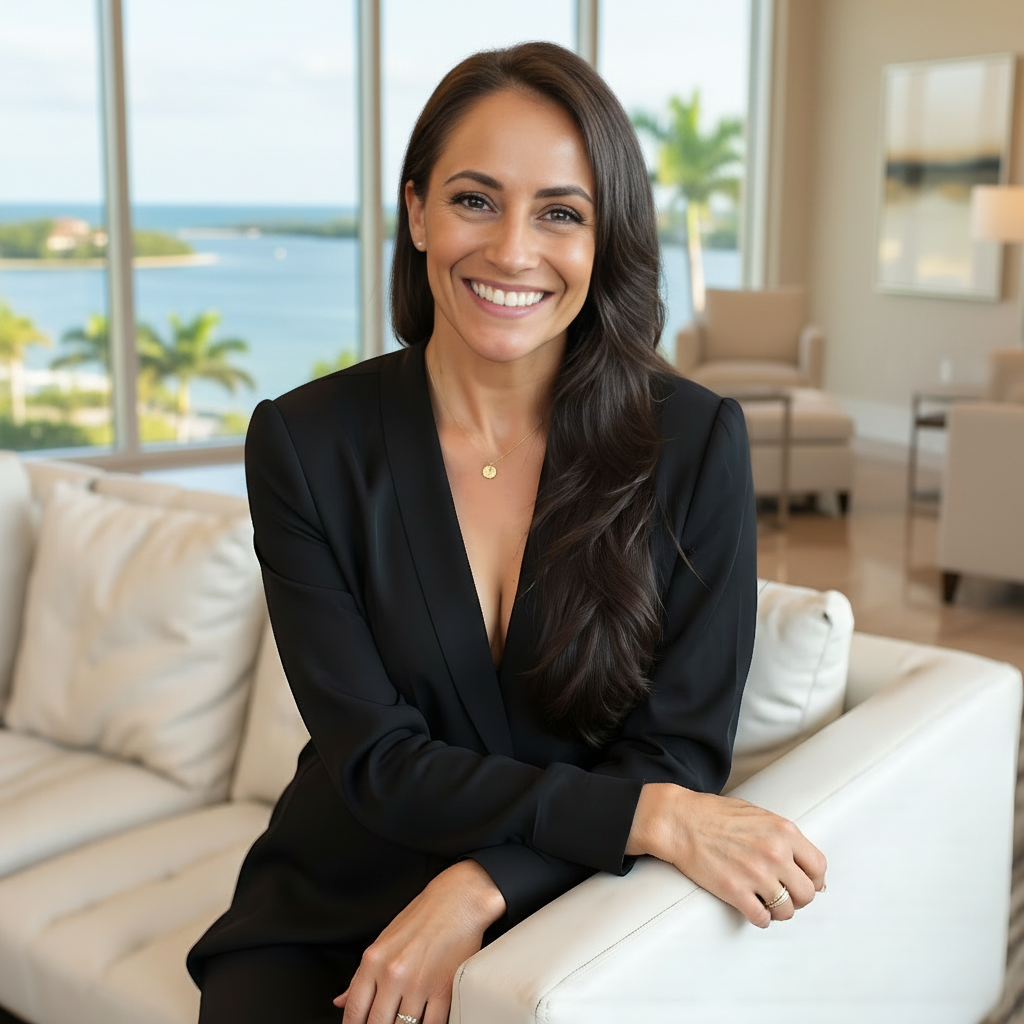
By Kelly Fullick, REALTOR® — Coldwell Banker Realty, Sarasota & Manatee County KellyFullick.com · Kelly@kellyfullick.com · 941-260-7770
Why I'm writing this one
I do a lot of relocation calls. Buyers moving from New York, New Jersey, Michigan, Illinois, Connecticut, California, Ohio — you name it. And almost every one of these calls includes the same moment about ten minutes in.
The buyer pauses. They say, "Wait — nobody told me that. Is that a Florida thing?"
And the answer is almost always: yes, that's a Florida thing. And there are about ten more you haven't heard yet.
This isn't a scary post. Florida is a fantastic place to buy a home — I was born and raised here, I've watched three generations of my family put down roots here, and I've helped a lot of relocators do the same. But there are real differences between how real estate works down here and how it works in the state you're leaving. Nobody sits you down and walks you through them, and by the time you find out, you're already knee-deep in an offer.
So this is that sit-down. Ten things that consistently catch out-of-state buyers off guard in Sarasota and Manatee County — with plain-English explanations of what each one actually means for you.
1. Property taxes reset when you buy
This is the biggest one, and it catches almost every out-of-state buyer.
When you look at a listing on Zillow or Realtor.com, you see the current owner's property taxes. That is not what you will pay.
Florida has something called "Save Our Homes," a state constitutional provision that caps annual property tax increases for a homesteaded owner at 3% per year (or the rate of inflation, whichever is lower). Over 10 or 20 years, that cap can hold the taxable value dramatically below market value.
Then you buy the house. The cap resets to full market value the January after you close. Your first tax bill can be double, triple, sometimes more than what the seller was paying.
What to actually do: Before you write an offer, I run you a realistic tax estimate based on the purchase price, the millage rate in that jurisdiction, and your homestead status. That's the number that should go into your monthly budget — not the Zillow number.
I've written a much deeper post on this — the Sarasota Property Tax, Millage & TRIM guide — that walks through exactly how it's calculated.
2. Homeowners insurance is its own conversation
In most states you're leaving, homeowners insurance is a boring line item. You bundle it with your car, forget about it, done.
In Florida, insurance is a separate serious topic that you need to figure out before you have an accepted offer, not after. Here's why:
- Some homes are insurable through standard carriers. Some aren't. It depends on the roof age, the roof shape, the year built, the flood zone, and a dozen other factors.
- The wind mitigation inspection we talked about in the construction post directly affects your premium — sometimes by thousands per year.
- Flood insurance is a separate policy. Not every home needs it. Some homes legally have to carry it. Coastal or low-lying properties often do.
What to actually do: Once we identify a specific home you're serious about, I get you a quick insurance quote from a local Florida agent before you go under contract. If the number is a shock, we know before you're committed.
3. HOA and CDD fees can be a big part of your monthly
If you're looking at Lakewood Ranch, Wellen Park, Palmer Ranch, or any of the newer master-planned communities, you'll see two potential fees on top of your mortgage and insurance:
- HOA (Homeowners Association) fees — cover the community amenities, common areas, sometimes landscaping.
- CDD (Community Development District) fees — these are unique to Florida. They cover the infrastructure that built the community: roads, drainage, water and sewer lines. Think of them like a public utility assessment attached to the property.
CDD fees can run anywhere from a few hundred dollars a year to $2,000-3,000+, and they usually appear on the same tax bill as your property taxes.
What to actually do: For any home in a planned community, I pull the HOA and CDD numbers upfront and add them into your monthly cost estimate. No surprises.
I've written the full CDD guide here if you want to go deeper.
4. The year the house was built matters more than you think
I covered this in depth in the construction post, but it deserves a mention here because it's constantly overlooked in listing photos.
A Florida home built in 1985 and a Florida home built in 2015 are meaningfully different structures. Different walls, different roof attachment, different windows, different insurance profiles. Not one is "bad" and the other "good" — but they are different homes, and they should be priced and budgeted differently.
What to actually do: When you send me a listing, one of the first three things I look at is year built. I'll tell you what that year means in terms of what's under the drywall.
5. Flood zones are more nuanced than "beachfront or not"
Out-of-state buyers often assume "if it's not on the beach, it's not in a flood zone." Not how it works here.
Sarasota County has flood zones running along creeks, low-lying inland areas, and drainage basins that are nowhere near the water. Meanwhile, some coastal properties are actually elevated enough to be in a lower-risk zone than a house 5 miles inland.
What to actually do: For any home you're serious about, I pull the FEMA flood zone designation and the Elevation Certificate if one exists. That tells us:
- Whether flood insurance is required
- Roughly what it will cost
- How the home sits relative to Base Flood Elevation
6. The seller pays the buyer's title insurance in Sarasota County
This one surprises buyers coming from states where the buyer pays for everything.
In Florida, who pays for the owner's title insurance policy is a matter of county custom. In most of Sarasota and Manatee County, the seller customarily pays. It's negotiable, but that's the starting point.
What to actually do: Nothing on your end — this is just something we'll factor into the offer and the seller's net sheet. But it's a data point you should know before you write.
7. There's no state income tax, but there are other trade-offs
Florida famously has no state income tax. That's real, and it's a significant financial advantage for a lot of relocators. But the state has to fund itself somehow, and here's how:
- Higher sales tax than many states (6% state + up to 1.5% local — so 7% or 7.5% in Sarasota/Manatee)
- Higher property tax rates in some jurisdictions than what you might be used to relative to home value
- Certain fees, tolls, and vehicle registration costs that skew higher
For most relocators, the no-income-tax advantage still nets out very favorably. But it's not a free lunch, and I want you to have the honest picture.
8. Homestead Exemption is a big deal — and it has to be filed
If Florida becomes your primary residence, you can file for Homestead Exemption, which does two important things:
- Reduces your assessed value by up to $50,000 (with some conditions) for property tax purposes.
- Activates Save Our Homes — the 3% annual cap I mentioned in #1 — so your taxable value can't shoot up more than 3% per year going forward.
But it doesn't happen automatically. You have to file with the county property appraiser between January 1 and March 1 of the year after you take up primary residence.
What to actually do: I walk every buyer who's moving here full-time through the homestead filing process. I've also written the full Florida Homestead Exemption guide and a portability guide for people moving from another Florida property.
9. Inspections work a little differently here
The standard home inspection is largely the same. But there are a few Florida-specific inspections that come up:
- Wind Mitigation Inspection — documents the home's construction features for insurance credits. Almost always worth doing.
- 4-Point Inspection — a shorter inspection some insurers require on older homes (roof, plumbing, electrical, HVAC).
- Elevation Certificate — for homes in flood zones. Confirms the elevation relative to Base Flood Elevation.
- Termite / WDO Inspection — Wood-Destroying Organism inspection. Florida has termite pressure. This is standard here.
None of these are dealbreakers. They just take some coordination and typically cost a few hundred dollars each.
What to actually do: I coordinate the inspection schedule so we hit every deadline in your contract. You just need to be reachable by phone during that window.
10. Closings happen fast, and title companies (not attorneys) usually run them
If you're coming from a state where closings take 90 days and involve your attorney reviewing every document, Florida will feel fast.
- Most Florida closings run in 30-45 days from accepted offer.
- Title companies typically handle the closing itself — not attorneys, though you're welcome to hire one for review.
- You can often close remotely if you can't be in Florida the day of. E-signing and remote online notarization are widely accepted.
What to actually do: I set the contract timeline realistically based on your lender's needs, coordinate with the title company, and make sure every deadline is hit. Your job is to respond quickly when I need paperwork signed.
The honest takeaway
None of these ten things should scare you off. They should just prepare you.
The buyers who have a rough experience in Florida are almost always the ones who assumed everything worked the same as back home. It doesn't. It's not worse. It's not better. It's just different, and it rewards a buyer who takes the time to understand the local rules — or works with someone who already knows them.
That's the whole reason I write these posts. I'd rather you know before we walk into a listing than find out at the closing table.
Ready to make the move?
If you're thinking about relocating to Sarasota or Manatee County — whether that's next year or next week — call me. Bring your questions, bring your worries, bring your list of "wait, is that really how it works?"
I'm Kelly Fullick, a Sarasota native and Realtor with Coldwell Banker Realty. I help buyers relocate to the Gulf coast with clear answers, honest tradeoffs, and no pressure.
📞 941-260-7770 📧 Kelly@kellyfullick.com 🌐 KellyFullick.com
Related reading on kellyfullick.com
- Why Florida Homes Are Built Different
- Florida Homestead Exemption Guide
- Florida Homestead Portability Guide
- Sarasota Hurricane & Home Insurance Guide
- How Sarasota County Is Rebuilding for Hurricane Season
- Money Mechanics series: CDD Fees, Closing Costs, Property Tax & TRIM, Selling & Capital Gains
- How Do I Buy and Sell at the Same Time?
About Kelly Fullick
Kelly Fullick is a Sarasota-native Realtor with Coldwell Banker Realty. She specializes in helping out-of-state relocation buyers and Sarasota-area sellers with candid, education-first guidance. Kelly has closed 36+ transactions totaling over $18.6M across Sarasota and Manatee County since 2022, and holds a perfect 5.0-star rating on 25 Google reviews.
Ready to take the next step?
Let's Talk About Your Goals
Every situation is different. Schedule a no-pressure conversation with Kelly to get clear on your options.
941.260.7770
kelly@kellyfullick.com
Schedule a Consultation